


Save $500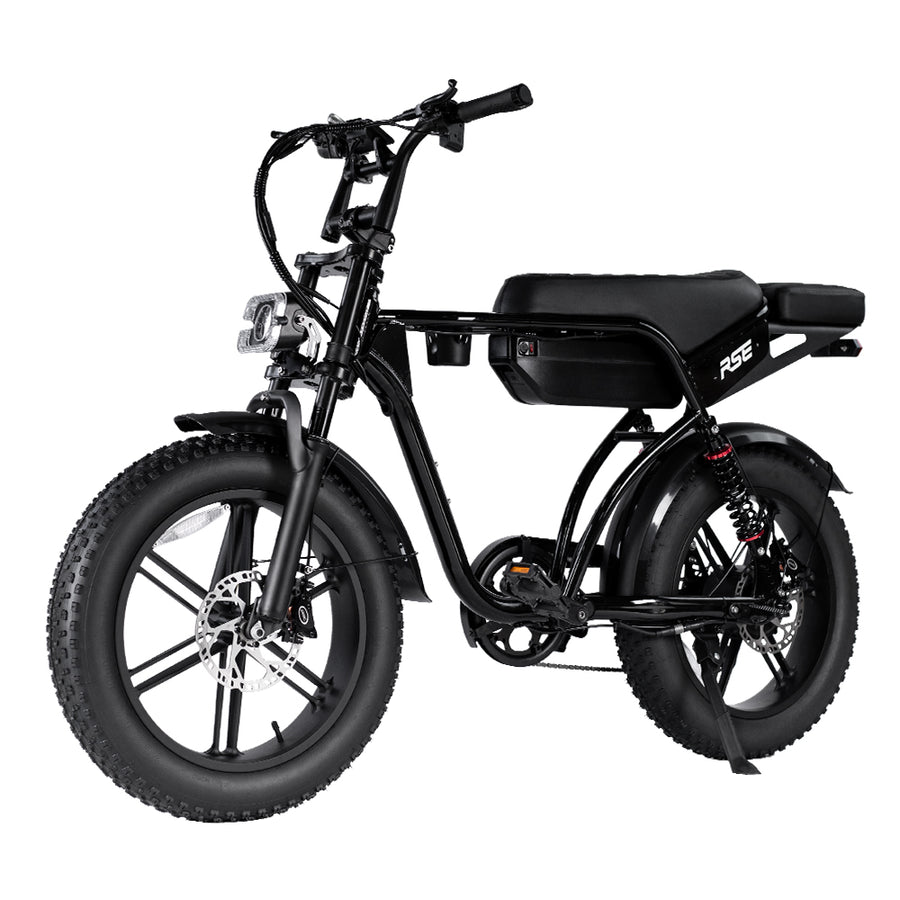
Pulse RSE
Sale price $1,899 Regular price $2,399
or 4 interest-free payments of $474.75 with Afterpay or pay later with Zip
 Road legal
Fat tyre E-Bikes
250W, assist cuts out at 25 km/h.
Shop fat tyre E-Bikes

There's no single rule for E-Bikes on every Australian beach. Councils and park agencies each set their own, and many of the beach vehicle rules we read cover motor vehicles and don't mention E-Bikes. Here's what the official sources say, and how to check before you ride.
Published by Thor Ebikes. Yes, we sell E-Bikes. We're not affiliated with or endorsed by any council, park agency or government. The rules below come from official sources and council documents. Riding tips come from conservation groups and consumer guides. All are linked at the bottom of the page.
01 · Who decides
Everything below assumes your E-Bike is legal. An over-limit bike isn't treated as a bicycle, and in NSW it can be seized if it's used in a public place. Not sure? Read what makes an E-Bike road legal or how NSW's seize-and-crush law works.
Road rules decide whether your E-Bike counts as a bicycle and where you can ride it on roads and paths. Beach rules come from whoever looks after the sand:
Some beach rules say the road rules still apply. Clarence Valley and Coffs Harbour councils say vehicle use on their beaches is subject to the road rules, and Queensland Parks says that on K'gari the beach is also a road. Read the sign at the beach entry too.
02 · The grey area
Many council beach policies are built around motor vehicles. None of the NSW ones we read mention bicycles or E-Bikes.
Neither says how a legal E-Bike is treated. Don't assume it's in, or out. Ask.
Other rules say "ride" outright. They cover council land only.
Silence isn't permission. If a rule doesn't mention E-Bikes, ask how it applies to yours.
03 · Place by place
| Place | Bikes can go | Bikes can't |
|---|---|---|
| Qld recreation areas | Non-vegetated beach, unless a sign says no (bikes, not E-Bikes by name) | Vegetated ground |
| K'gari (Qld) | Mountain bikes on the east and west beaches (E-Bikes aren't mentioned) | Walking tracks |
| NSW national parks | Park roads, and generally management trails, for E-Bikes under 35 kg | Beach riding, unless by consent |
| Phillip Island (Vic) | Not confirmed for E-Bikes | Its beaches, says a Nature Parks spokesperson |
| WA parks (CALM Act) | Roads, bicycle paths and designated areas | Anywhere else, with a $500 fine |
| Tasmanian reserves | Roads and designated bicycle-riding areas | Maria Island's beaches |
Examples from the official sources we read, not every beach. Most don't mention E-Bikes by name, so ask how a legal E-Bike is treated. The ACT and Northern Territory aren't covered.
On roads and paths, a legal E-Bike is generally treated as a bicycle. WA's Road Safety Commission and Tasmania's Road Rules both say so.
NSW's national parks cycling policy is narrower. It only counts a power-assisted bike that weighs under 35 kilograms, and our fat tyre E-Bikes weigh more than that, so ask the park before you ride one there.
04 · The path next door
Plenty of beaches have a path or boardwalk beside the sand. It's often the easier answer, and it has its own rules.

05 · Before you ride
06 · Ride it right
Even where bikes are allowed, many beaches are nesting sites. NSW Government says threatened shorebirds, including hooded plovers and little terns, nest on NSW beaches from August to March. Eggs and chicks are well camouflaged, so walkers or vehicles can trample them by accident.
Some beaches close for the season. In South Australia's Coorong National Park, the ocean beach track north of Tea Tree Crossing is closed to vehicles from 24 October to 24 December every year to protect hooded plovers. That page doesn't mention E-Bikes.
On Phillip Island it's already an issue. Phillip Island Nature Parks reports more E-Bikes on its beaches, including tracks up to fairy tern nesting habitat and riding across rocks towards a beach where hooded plovers nest. A spokesperson told Bicycle Network in September 2025 that bikes aren't permitted on its beaches.
07 · Our E-Bikes
Lower tyre pressure puts more tyre on the sand and gives more grip, says We Love Cycling, and a fat tyre has more to work with. But tyres don't decide where you can ride. Whoever manages the beach does.
All four of our fat tyre E-Bikes, the Pulse RSE, Pulse EB8 Step-Thru, Thunder V20 Pro and Thunder V29, are certified to EN 15194.
Thor Ebikes
Certified to EN 15194, delivered about 90% assembled and ready to ride after roughly 30 minutes of setup.
Thor fat tyre E-Bikes
All four certified to EN 15194, with pedal assist that cuts out at 25 km/h.
Sale price $1,899 Regular price $2,399
or 4 interest-free payments of $474.75 with Afterpay or pay later with Zip
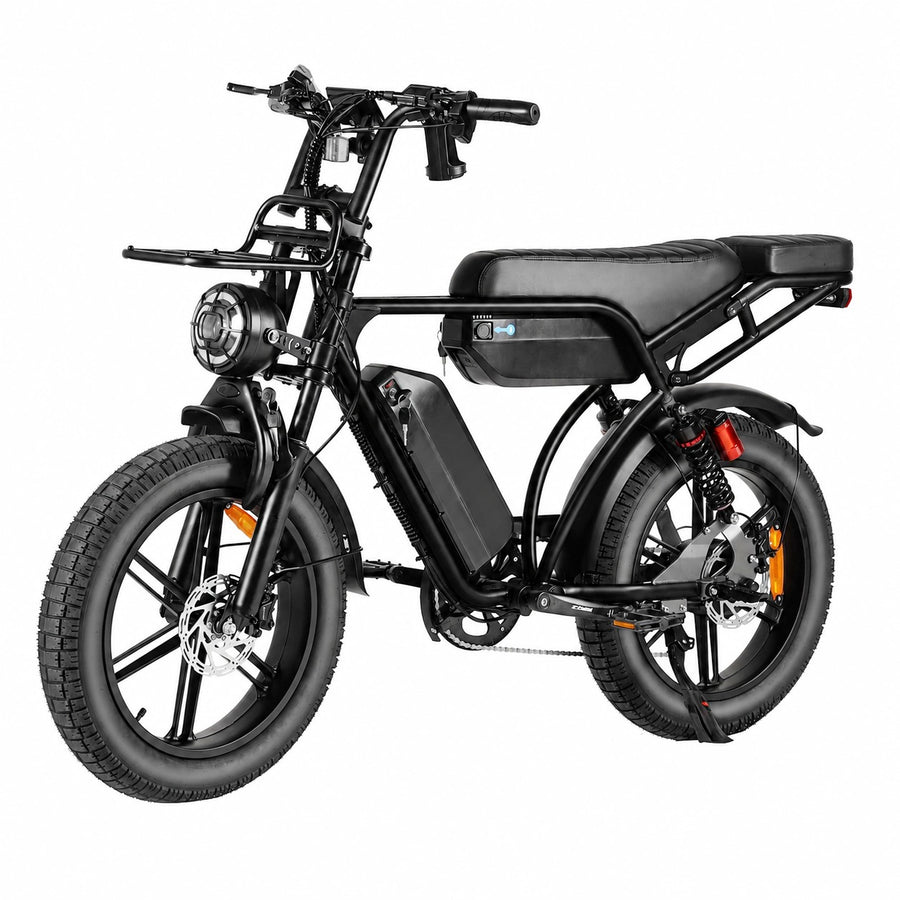
Sale price $2,249 Regular price $2,749
or pay later with Zip
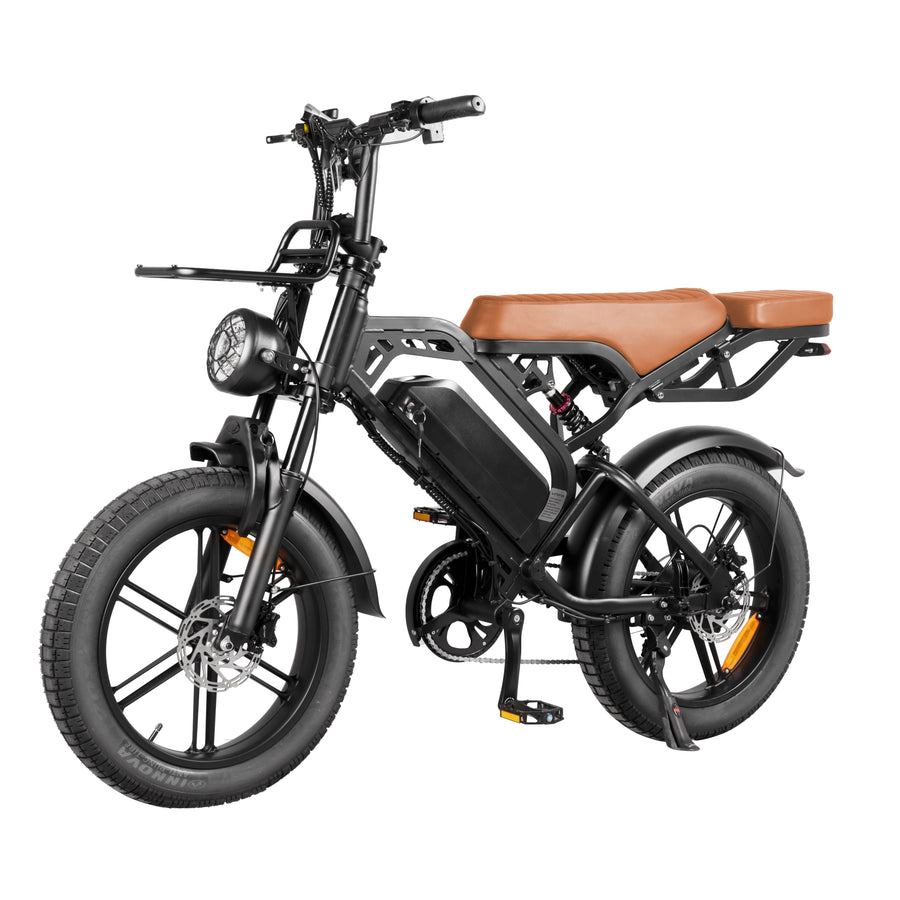
Sale price $1,999 Regular price $2,499
or 4 interest-free payments of $499.75 with Afterpay or pay later with Zip
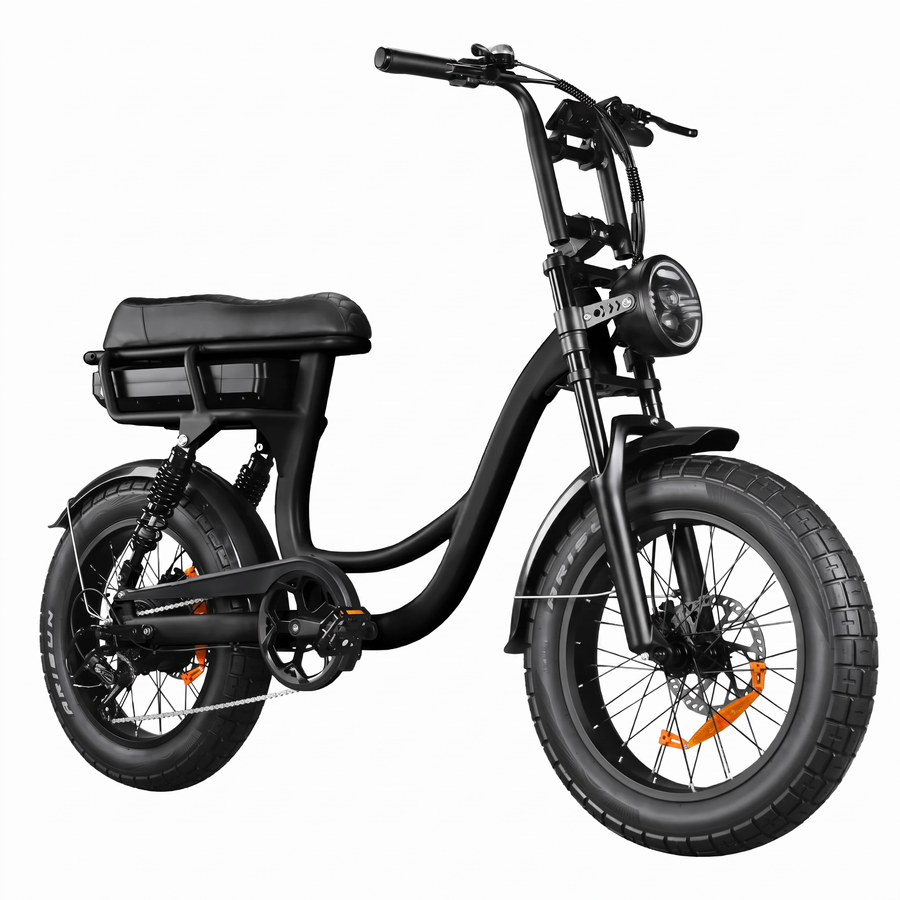
Sale price $2,099 Regular price $2,599
or pay later with Zip
Questions
It depends on the beach. There's no single rule for every beach: councils, national parks and state agencies each set their own, and some ban bikes outright. Many only cover motor vehicles, so ask whoever manages the beach before you ride.
On roads and paths, generally yes. WA's Road Safety Commission and Tasmania's Road Rules both treat legal E-Bikes as bicycles. In Queensland, a legal E-Bike is a vehicle but not a "motor vehicle" under the state's road use law. Beach rules have their own wording, so ask how yours treats a legal E-Bike.
Some councils require permits for vehicles. Clarence Valley requires one for all vehicles on the beaches it controls, except exempt ones, but its policy defines a vehicle as a motorised conveyance and doesn't mention bikes. Ask the council or park whether a legal E-Bike needs one.
Often only with consent or in a designated area. NSW's cycling policy says beach cycling may be allowed by consent for one-off or short periods, and the park's plan of management must include it if it's ongoing. That policy doesn't cover council-managed beaches next to a park. WA and Tasmania also limit bikes on park land to roads and designated areas, plus bicycle paths in WA.
We didn't find one fine for riding an E-Bike on a beach. Penalties sit in each rule, and many are set in penalty units rather than dollars. In WA, riding a bicycle on CALM Act land outside roads, bicycle paths and designated areas can mean a $500 fine. Tasmania's park regulations set up to 20 penalty units for riding a bicycle on reserved land outside roads and designated areas.
No. Fat tyres can help on soft sand, but they don't decide whether you're allowed on it. The road-legal test looks at the motor, and each beach's rules come from whoever manages it. Our four fat tyre E-Bikes are certified to EN 15194, with a 250W continuous motor, pedal assist that cuts out at 25 km/h and walk assist to 6 km/h.
Where to check: your local council's website (search for beach vehicle access or local laws), then the park agency for any park beach. Examples: NSW national parks cycling policy · K'gari (QLD) · Maria Island (TAS) · SA coastal driving code. In Victoria and WA, start with your council and the park agency.
Last checked 6 October 2026. Beach rules are set locally and change, so check with the land manager and read the signs before you ride.

